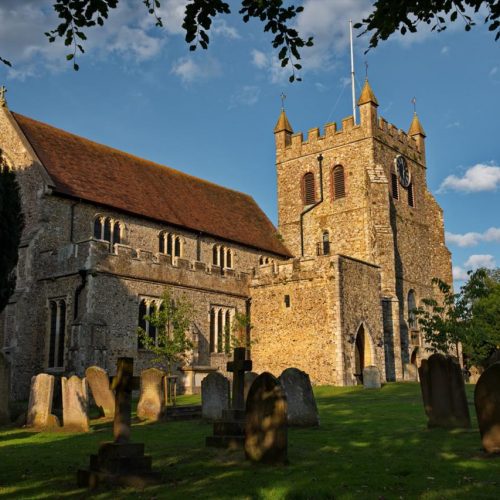
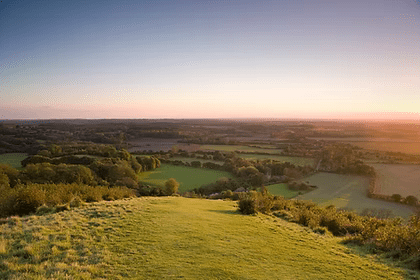
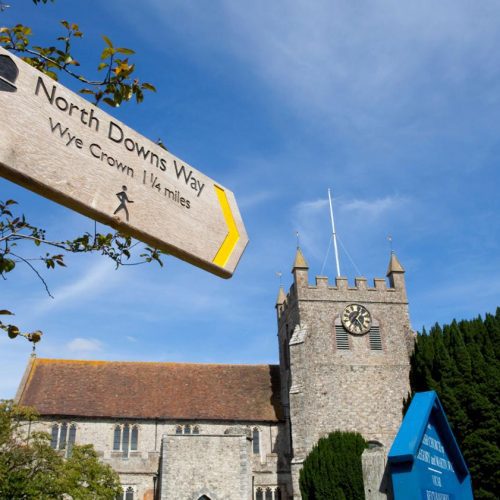
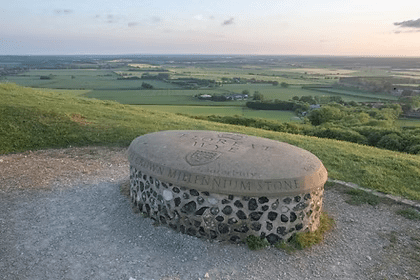

The name Wye, recorded as ‘Wi’ in the Domesday Book, derives from the Anglo-Saxon word ‘wih’ meaning idol, or place of the heathen temple. Long before 1066 Wye was a royal manor and the centre of the Lathe and Hundred of Wye. As such, Wye functioned as one of the seven administrative and judicial districts in Kent between the 6th and 13th centuries. Lathes are unique to Kent, and the Lathe of Wye once covered and area of about 400 square miles between the Thames estuary around Faversham to the Sussex county boundary.
Thank you for reading this post, don't forget to subscribe!The Roman settlement of Wye and the present-day road network developed around the ford that crossed the River Great Stour, where Wye Bridge now stands. Despite being a rural village, Wye has an unusually compact layout. Many of the houses lining its narrow medieval streets feature elegant Georgian or Regency facades, while hiding much older 15th- and 16th-century timber-framed structures behind them. These unique buildings and traditional materials give Wye its distinctive charm, rich history, and timeless character, making it one of Kent’s most picturesque villages.
The village of Wye now acts as a small rural service centre. The shops and facilities serve about 8,600 people (based on Wye Surgery’s list of registered patients) who live in Wye, and neighbouring parishes. This helps to sustain small businesses and facilities, but has implications for traffic and parking, especially in the medieval streets, like Church Street above.
Book your table now or place your order directly online.